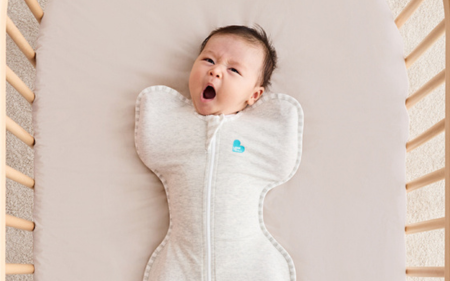
Can Newborns Sleep On Their Side?

Back to Baby Sleep
Essentials
Navigating newborn sleep sometimes feels like it needs a degree in logistics and wizardry - neither of which are available to new parents. One of the common questions parents face is can my newborn sleep on their side or tummy if they seem more comfortable there. The truth is, the safest sleep position for a baby is sleeping on their back on a firm flat surface but let’s explore in more detail why it’s so important and what else to consider while you wait for that degree in wizardy to come in the post. 
Love To Dream
5 min read |
26 May, 2024

Safe Sleep for Newborns

Keeping our babies safe is what's on most of our minds 24/7. Sleep in particular is one of those topics that's constantly evolving as more research is conducted, so you are not alone if you've wondered if it's safe to put your baby to sleep on their side or if this can increase the risk of sudden infant death syndrome (SIDS).

One of the key safe sleep recommendations from the American Academy of Pediatrics (AAP) is to place the baby on their back from birth, for every sleep. This recommendation has been a major factor in reducing SIDS deaths since the early 1990s, so it's an important one to follow.

Why Side Sleeping Can Be Risky for Newborns

It might look adorable, but side sleeping can put your baby in a tricky spot. From their side, it's easy to roll onto their tummy, and that's where the risk increases. Because their neck strength and reflexes are still developing, they may not be able to lift their head or reposition themselves safely.

Side sleeping is also linked to a higher risk of SIDS and sudden unexpected death in infancy (SUDI). That's why placing your baby on their back for every sleep is always recommended. It keeps the airway clear and above the oesophagus, which makes swallowing easier and helps protect their breathing while they sleep.

When Is It Okay for Babies to Sleep on Their Side?

There may be circumstances where side sleeping is needed under medical supervision, so always chat with your paediatrician if you have questions about your baby's specific situation.

As a general guide, back sleeping is recommended for at least the first year of life. But once your little one can confidently roll both ways (front to back and back again), it's usually safe to let them settle in whatever position they find comfy.

Until they're rolling consistently, though, it's best to keep placing them on their back. And when those first signs of rolling appear? That's your cue to move from swaddling to arms-out sleep. Our 2 in 1 Transition Bag makes this really simple.

Learn More: Why, When and How to Transition Your Baby from Swaddling

Tips for Safe Sleeping Practices

Here are our top five tips for safe sleep:

  • Always place the baby on their back for sleep
  • Keep the baby's head, face, and airways clear
  • Keep the baby's sleep space smoke-free
  • Same for day, same for night: the same safety rules apply for naps and nighttime
  • Sleep baby in their own safe sleep space in the parent or caregiver's room for the first 6 to 12 months

The AAP also recommends using a firm, flat sleep surface and keeping soft bedding, pillows, and loose items out of the sleep space.

Learn More: Safe Sleep Guidelines for Newborn Babies

Why Quality Sleepwear Matters For Sleeping Positions

A key factor in providing safe, comfortable sleep is considering what your baby is wearing. Too much fabric or fabric that is weighted may cause overheating, or layers that are too loose-fitting could cover their mouth or nose and become a breathing hazard.It's also really important to stop swaddling when your baby shows signs of rolling. Always pick swaddles by their weight and height to get the most accurate fit, and be sure to choose a transition suit or sleep bag that offers a gentle move to arms-free sleep.Not sure how to dress your baby for the room temperature? Our TOG guide breaks it down so you can get the layers just right.

When to Seek Professional Advice

Sometimes the simplest of things can still feel overwhelming, or the general advice might not quite fit your situation. If you need help, reach out to your pediatrician or check the First Candle safe sleep resources for more guidance.

Frequently Asked Questions

Can my newborn sleep on their side if they seem more comfortable?

It might look like they prefer it, but side sleeping is not recommended for newborns. The safest sleep position is always on their back, on a firm, flat surface. This reduces the risk of SIDS and keeps their airway clear while their reflexes are still developing.

What should I do if my baby rolls onto their side during sleep?

If your baby has rolled onto their side but can't yet roll both ways confidently (front to back and back to front), gently reposition them onto their back. Once they can roll consistently in both directions, it's generally considered safe to let them find their own sleeping position.

When can my baby start sleeping on their side safely?

There's no set age, because it depends on your baby's development. The key milestone is when they can roll confidently in both directions. For most babies this happens around 4 to 6 months, but every baby is different. Until they reach that milestone, back is always best.

Do I need to stop swaddling when my baby starts rolling?

Yes. As soon as your baby shows signs of rolling, it's time to transition out of swaddling. A swaddled baby who rolls onto their stomach can't use their arms to reposition, which makes it unsafe. Our transition bags are designed to make this change as smooth as possible with zip-off wings that free one arm at a time.

Key takeaways

Always start on the back.
Place your baby on their back for every sleep until 12 months. It's the single most effective way to reduce the risk of SIDS.
Side sleeping isn't safe for newborns.
From their side, babies can easily roll onto their stomach and compromise their airway before they have the strength to reposition.
Stop swaddling when rolling starts.
Transition to a sleep bag or transition suit that leaves arms free so your baby can move and reposition safely.
Rolling both ways? Let them be.
Once your baby rolls confidently in both directions, they can find their own comfortable position. Just keep the crib clear.
When in doubt, ask your pediatrician.
Every baby is different. If you have concerns about your baby's sleep position or safety, your pediatrician is always the best place to start.

Related Articles from our

Sleep Library

  • Woman holding a baby against a plain background

    Safe Sleep Guidelines for Babies

    Safe sleep can feel overwhelming when you're running on little of it. These newborn sleep guidelines break down the basics, so you can rest easier, too.
  • When Can Babies Sleep on their Stomach

    Many parents wonder if their newborn can sleep on their side or tummy . The safest position is always on their back on a firm, flat surface — here’s why that matters.

Most popular blog posts

See all
Newborn Sleep Savers: 7 Simple Tips for the First Few Weeks
Sarah's Story

Sarah's Story

How to Sleep During Pregnancy: Your Trimester-by-Trimester Guide